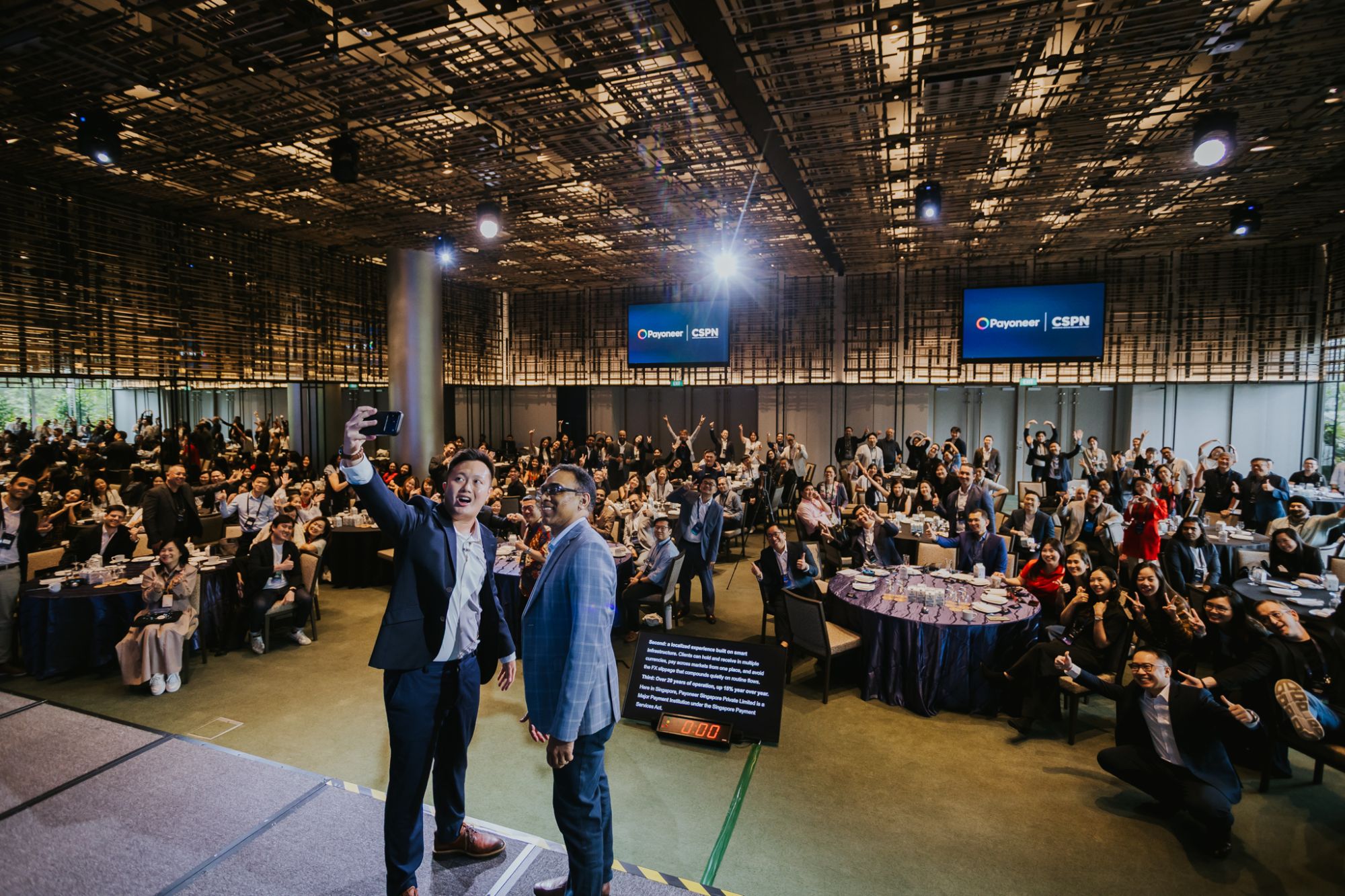
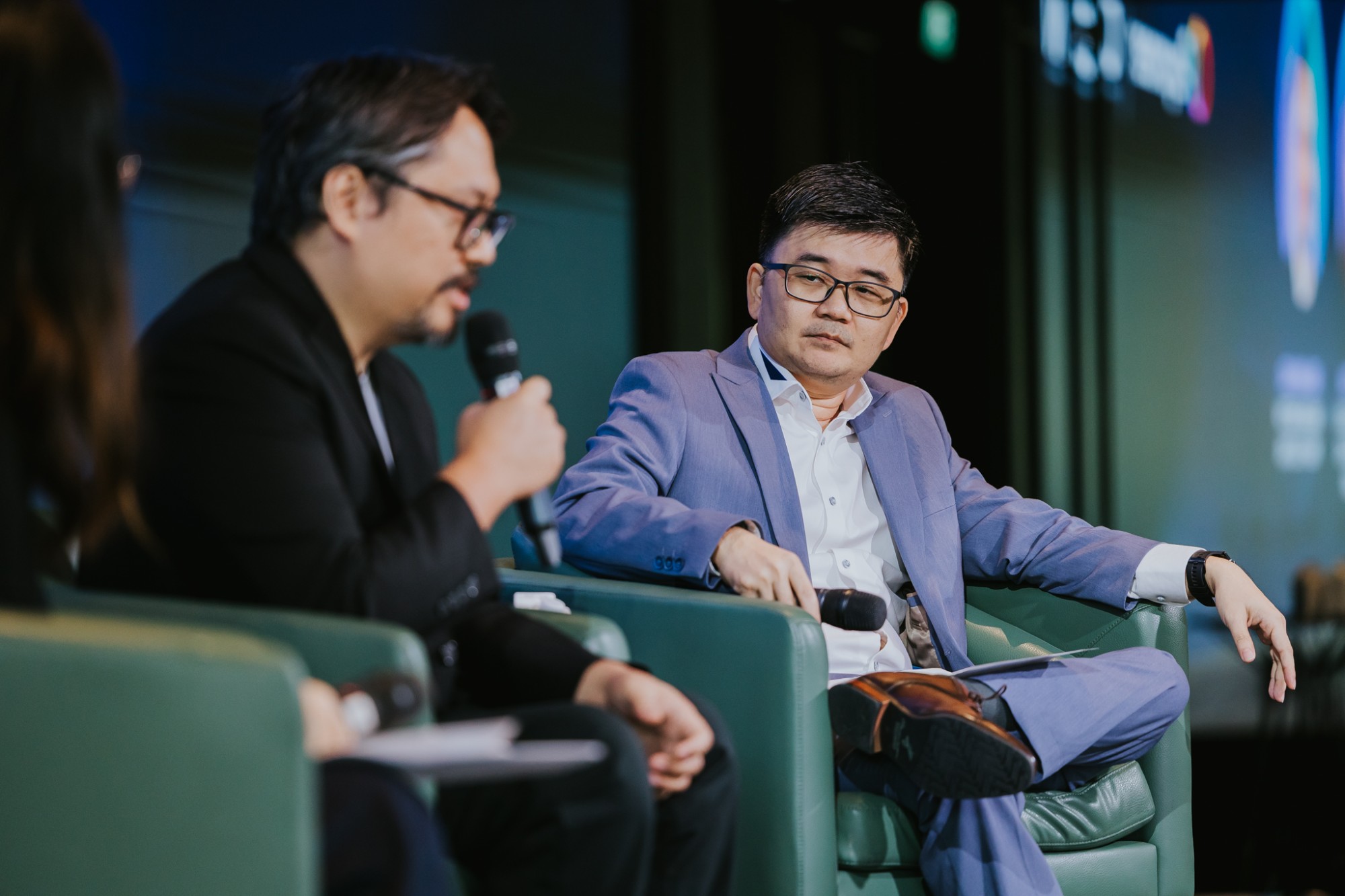
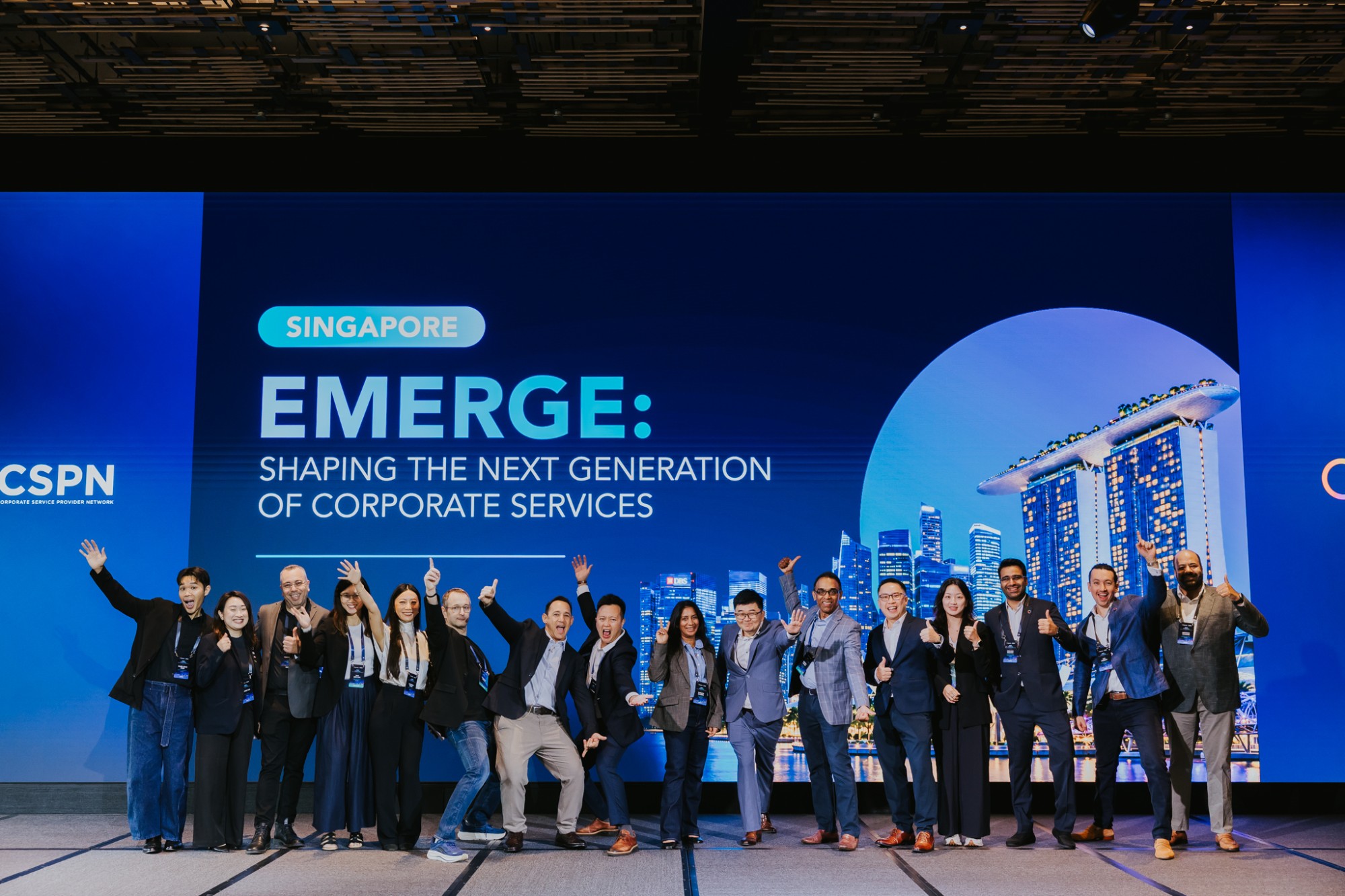
On 22 October 2026, corporate service providers from across Singapore spent a full day together at EMERGE, the inaugural Payoneer × CSPN Summit. The programme covered compliance, AI, ownership and workforce change, the themes practitioners raised most in CSPN's industry survey. I moderated the panels on compliance and on workforce transformation, and listened closely to the rest.
A week on, these are the five ideas I keep coming back to.
1. One client, two regulated relationships
A growing share of CSP clients also need a payment or cross-border account, and many CSPs now work alongside fintech partners to provide one. That means the same client sits inside two regulated relationships at once: the CSP, supervised by ACRA under the CSP Act, and the fintech, supervised by MAS. Each has its own customer due diligence obligations, its own risk appetite and its own view of what "enough" looks like.
From the client's side, this often means being asked for the same documents twice, in slightly different formats, within the same week. That friction is real, and it falls on the CSP's relationship with the client. The fix isn't to lower either standard. It's for CSPs and fintechs to understand what the other needs, so information is collected once, well, and shared with the client's consent where that's appropriate.
2. Working with a partner doesn't move the responsibility
The most important point for me: when one regulated firm relies on another's work, the responsibility stays where it was. A fintech can draw on a CSP's CDD, and a CSP can take comfort from a fintech's checks, but each remains accountable for its own obligations. Neither can point to the partner if something goes wrong.
That cuts both ways. Fintechs are increasingly treating CSPs as third parties to be assessed, asking about their controls, file quality and how quickly they can update beneficial ownership or control changes. CSPs who refer clients to a partner should expect that scrutiny, and should see it as a fair question. When you introduce a client, your name and your CDD go with the introduction. A CSP with complete, current and well-reasoned files is a far more valuable partner than one that simply refers volume.
3. AI changes the work, not the accountability
The AI conversation was refreshingly practical. Tools can already draft, extract, screen and summarise well. What they can't do is own the decision. When a screening hit needs to be discounted or a client's explanation needs to be accepted, a person still has to make that call and record it. Firms adopting AI well are deciding up front which steps stay human-led, rather than discovering it during an inspection.
4. Your compliance record is part of what your firm is worth
The ownership and M&A panel was a reminder that many CSP founders are thinking about succession. A buyer isn't only acquiring a client list. They're inheriting the CDD on every one of those clients. Files that are complete and well reasoned make a practice easier to value and easier to hand over. Gaps become someone else's problem, and usually show up in the price.
5. Transformation succeeds or fails on change management
I expected the workforce panel to be about AI. It turned out to be about change management. Whether a firm is adopting new technology, rolling out new compliance procedures or preparing for a change of ownership, the hard part is rarely the tool or the policy. It's getting people to actually work differently.
Most CSPs are small, close-knit teams, and that cuts both ways. Change can move quickly when the founder leads it, but it can stall just as quickly when staff don't understand why it's happening, feel their role is under threat, or are handed a new system on top of an already full workload. New tools that nobody trusts end up running alongside the old way of doing things, and the firm pays for both.
The firms making real progress treat change as a project in its own right. They explain the reason before the solution, involve the people who will use it, redesign roles rather than simply adding tasks, and give the team time to learn before measuring results. That applies just as much to a new CDD process as to a new AI tool. Transformation is something you do with your people, not something you install around them.
The bigger takeaway
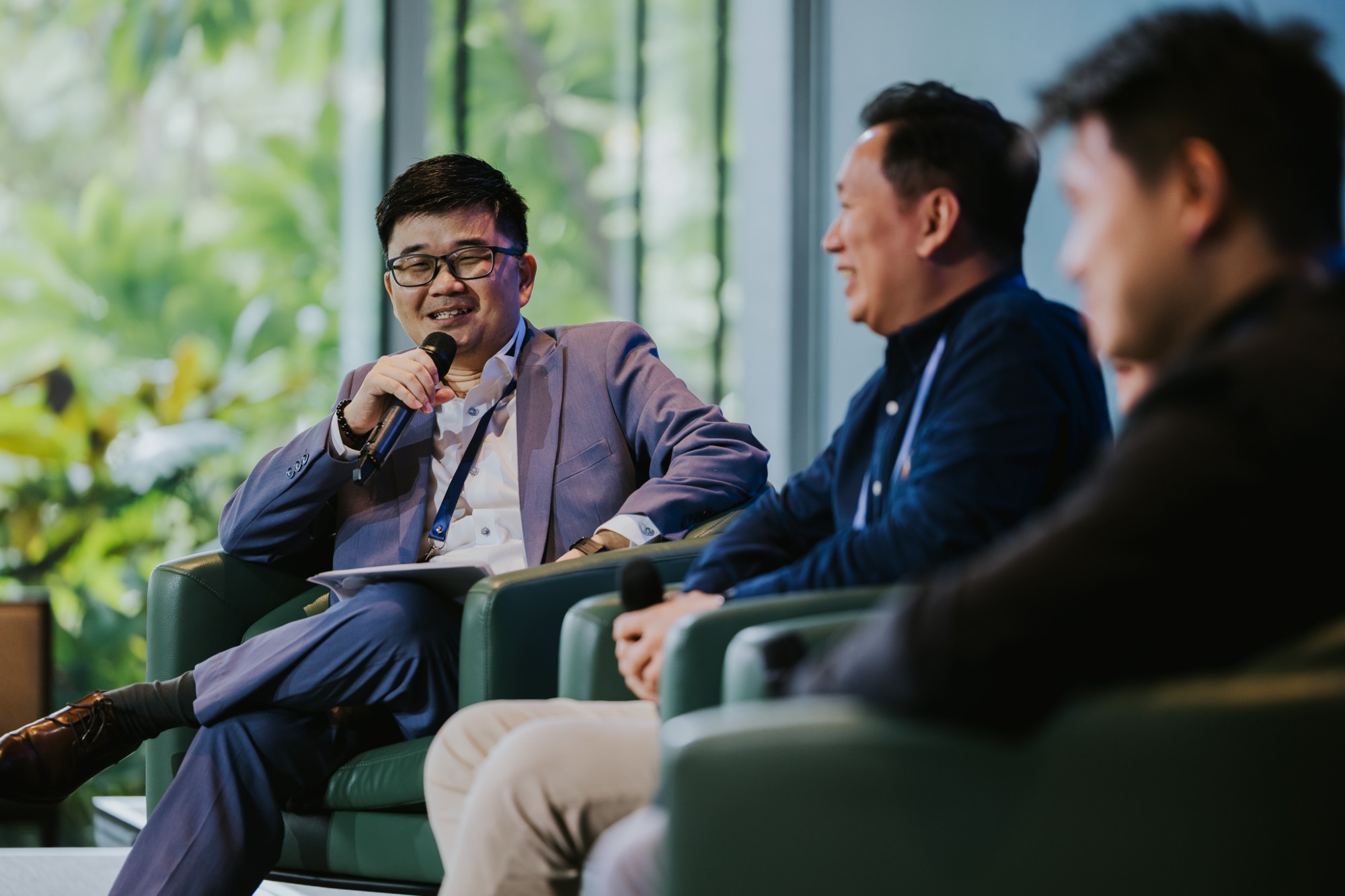
CSPs are mostly small firms, and we're used to working things out alone. EMERGE showed how much of what we face is shared, and how much faster we learn when practitioners speak candidly with each other. Higher standards are easier to meet when the profession works on them together.
If your firm is working out what these expectations mean in practice, from CDD file quality and partner due diligence to IPPCs and enterprise-wide risk assessments, get in touch with UP Compliance. To join the wider practitioner conversation, visit cspn.org.sg.